
by analyticsvidhya.com
Have you ever wondered how you would develop a sampling frame for a household survey without benefit of reliable demographic information? That was one of the many challenges our research team encountered many years ago when conducting a national household survey of social services needs across the Kingdom of Saudi Arabia.
In many rural areas at that time, maps of small towns and villages were nonexistent as were electoral registers and telephone directories (the Kingdom had only just conducted a first, partial national census). Consequently, the research team resorted to a somewhat crude approach: sketching communities’ street, commercial, and residential patterns, over which a grid system was applied for sampling purposes.
This approach was certainly unorthodox, but it worked for the purposes of the project. This anecdote demonstrates that sometimes in sampling, as in program evaluation in general, you must identify the best source of information available and make use of it in effective and sometimes creative ways.
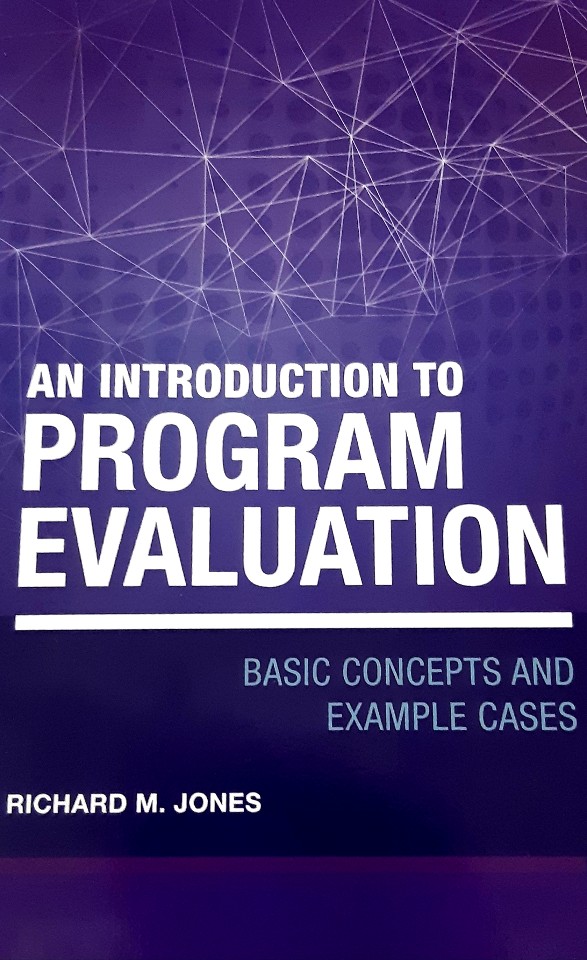
My book, An Introduction to Program Evaluation: Basic Concepts and Example Cases (2016), provides descriptions of methodologies used in ten program evaluation studies with which I have been involved in both public and private sectors in Canada and abroad. (https://www.amazon.ca/Introduction-Program-Evaluation-Concepts-Example/dp/096848574X)
RMJ Assessment offers a range of program evaluation services. For more information, please visit our website at https://www.rmjassessment.com/program-evaluation/.
 RMJ ASSESSMENT